Inclusiveness is not a policy
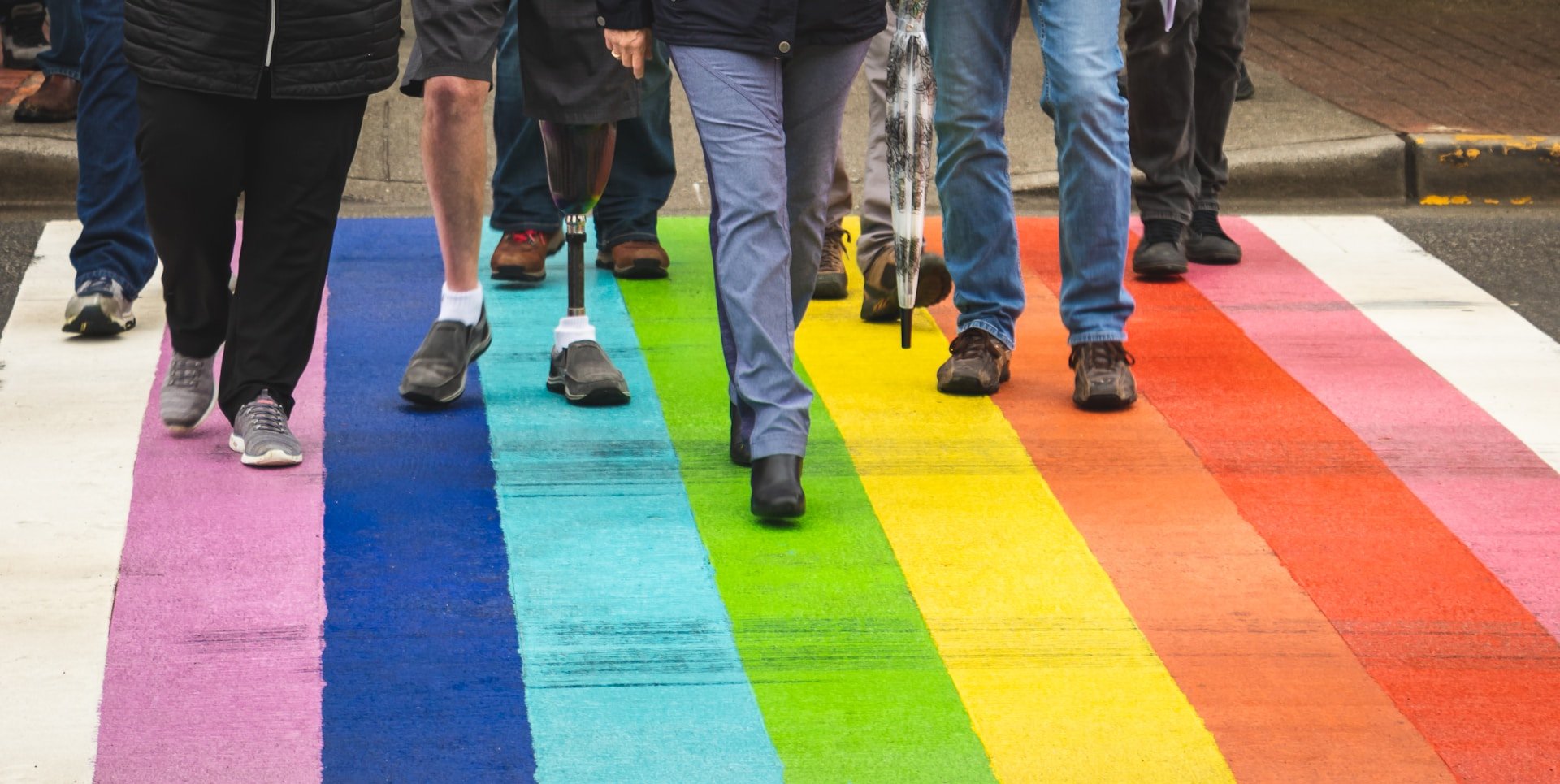
Most organisations claim to be inclusive. It’s a fairly standard claim nowadays, and, in many cases the intention is genuine. But inclusiveness isn’t something you define in a document. Instead, it becomes clear through the way decisions are made and how people are treated over time.
If you look closely at most workplaces, patterns tend to emerge. People often hire what they’re familiar with, or what feels like a safe choice. It’s not usually deliberate, but it does mean that opportunity can end up being narrower than it should be.
Changing that doesn’t require a major overhaul, it just comes down to being a bit more considered. Taking the time to look beyond the obvious candidate. Backing someone who may not have had the same opportunities, but has the ability and the attitude to do the job well.
There are plenty of people who are capable but overlooked. Sometimes that has to do with their background, other times it’s their pathway, and sometimes it’s simply that they haven’t had the chance to demonstrate what they can do. When they are given that chance, more often than not they make the most of it.
From a business perspective, a genuinely inclusive approach tends to lead to better outcomes. You get a broader mix of thinking, which generally leads to better decisions. It also builds a stronger sense of trust within a team, because people can see that decisions are being made fairly.
But beyond that, it’s just the right way to operate. If someone can do the job, they should have a fair opportunity to prove it.
Inclusiveness, in that sense, isn’t complicated. It’s a matter of paying attention to how decisions are made and being prepared to adjust when needed. Over time, those decisions shape the kind of organisation you build and the kind of culture people experience.