Dignity in work
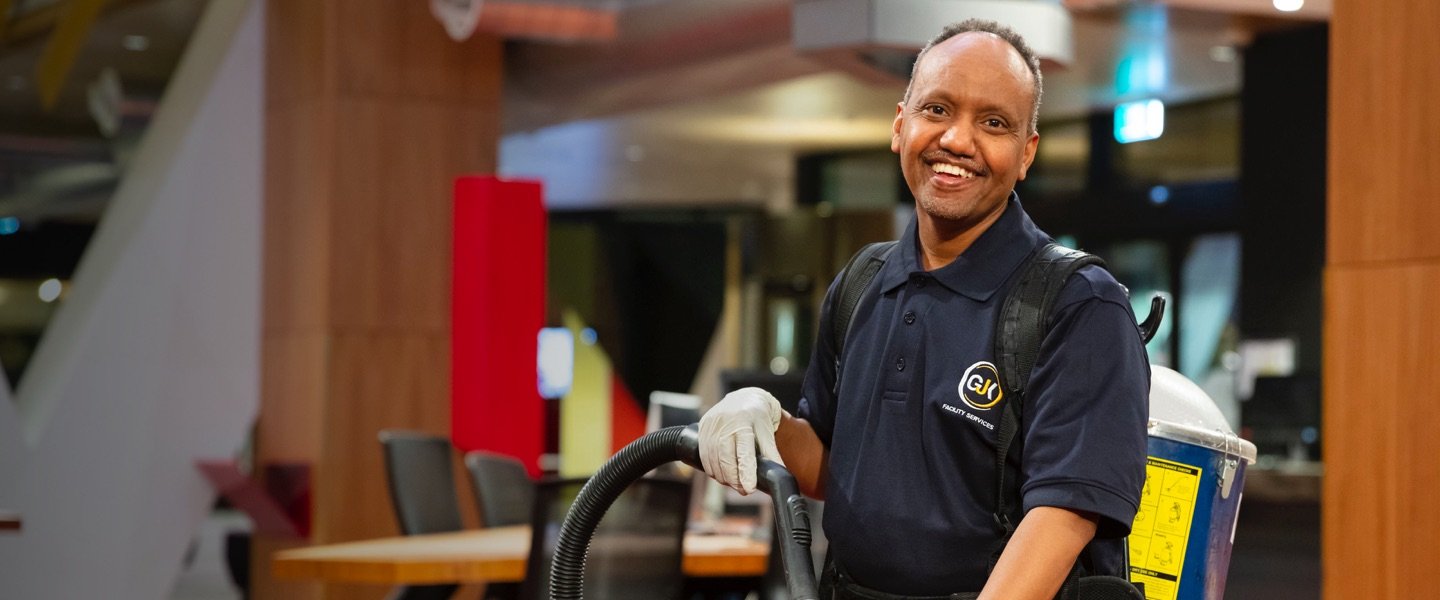
Image credit: GJK Facility Services
Work means different things to different people. For some, it’s a career. For others, it’s simply a way to get by. But at its core, work gives people something important: structure, independence, and a sense that they’re contributing.
That shouldn’t be underestimated.
When someone has a job, it affects more than just their income, it brings a level of stability. It gives people confidence and allows them to plan, to support themselves or their families, and to feel part of something.
You certainly notice the difference when it’s not there. People who want to work but can’t find an opportunity often lose more than just a pay cheque. Over time, it affects how they see themselves.
That’s why access to work matters so much. It’s also why the way people are treated at work matters.
There’s no such thing as a “small” job. Every role contributes in some way. If you’ve spent time working across different types of roles, you understand that pretty quickly. You also learn that respect should not be tied to a title.
A workplace that functions well is usually one where people understand that. Where effort is recognised, where people are treated properly, and where there’s a clear sense that everyone’s role has value.
That doesn’t happen by accident. It comes from how a business is run and what it chooses to prioritise.
From a leadership point of view, this is not complicated. If someone is doing their job properly, they deserve to be treated with respect. If they’re capable of more, they should be given the opportunity to step up. These things don’t require a major policy, just attention and consistency.
Work isn’t everything, but it plays a big role. If you get that part right (providing opportunity, and treating people properly once they’re in) you’re doing something worthwhile.